Fortunate VPN
Description
This Let’s Defend alert was triggered from the Rule Name SOC257 - VPN Connection Detected from Unauthorized Country, with Event ID 225. Suspicious signin attempts from Vietnam, were they successful?
Case Workflow
The case will be handled in accordance with the NIST 800-61 Incident Response Framework. The following is an overview of the generated alert:
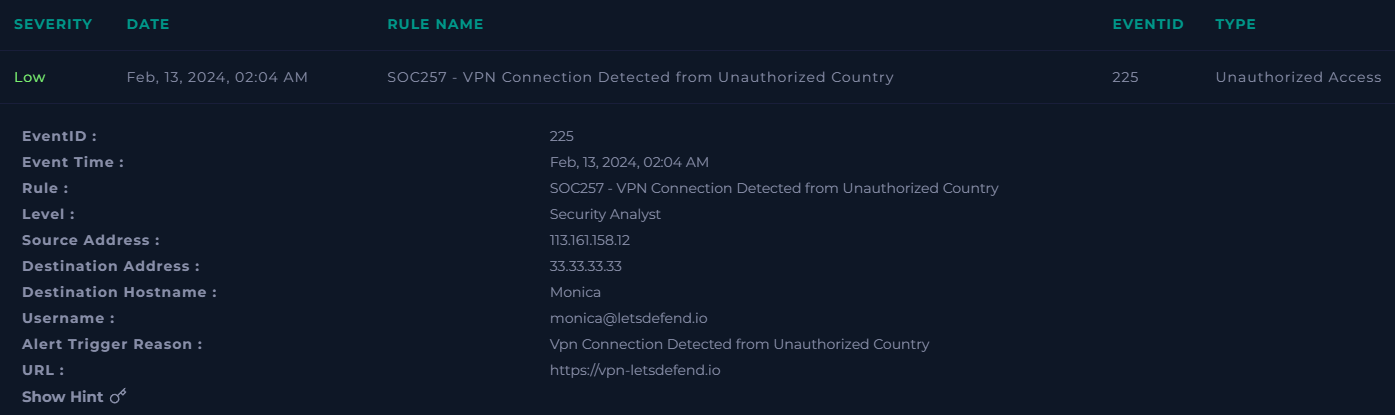
Some attributes to highlight are:
- This is a
Lowseverity alert of typeUnauthorized Access - The event was generated on
02-13-2024 02:04:00 [UTC] - The source address (VPN) is
113[.]161[.]158[.]12 - The affected user is
monica@letsdefend[.]io - The attempted website is
hxxps[:]//vpn-letsdefend[.]io
Note: Dates follow the US format, and timestamps are presented in UTC. Additionally, all indicators are defanged to prevent accidental interaction.
Detection & Analysis
The detection occurred once the logs matched the rule SOC257 - VPN Connection Detected from Unauthorized Country. In this case, it may be due to the logon was performed from a non-standard business operations location, or due to the source IP is reported in Threat Intelligence feeds.
Now, the analysis may proceed based on the provided playbook
The machine is called Monica. Then, it can be searched in the Endpoint Security section as:
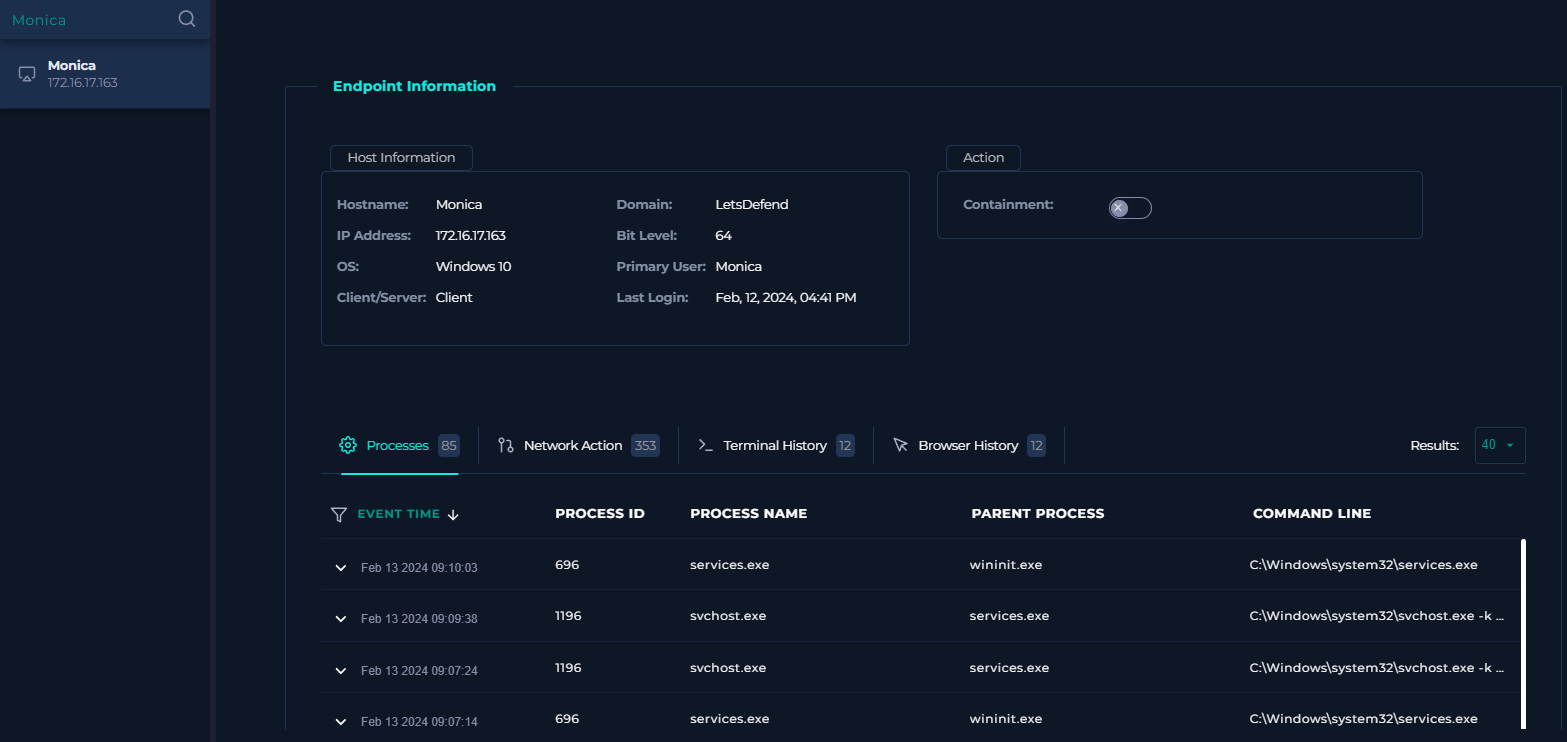
It turns out that the host is running Windows 10 and the private IP is 172[.]16[.]17[.]163
Also, there are four telemetry categories: Processes, Network Action, Terminal History and Browser History.
-
Processes: The logs do not suggest a suspicious behavior but normal system processes execution. Also, the earliest event occurred on
02-13-2024 05:25:00 [UTC], over 3 hours after the alert generation, which in a context ofnear-real-time (NRT)detection, should have spawned the alert at least around05:25:00 [UTC]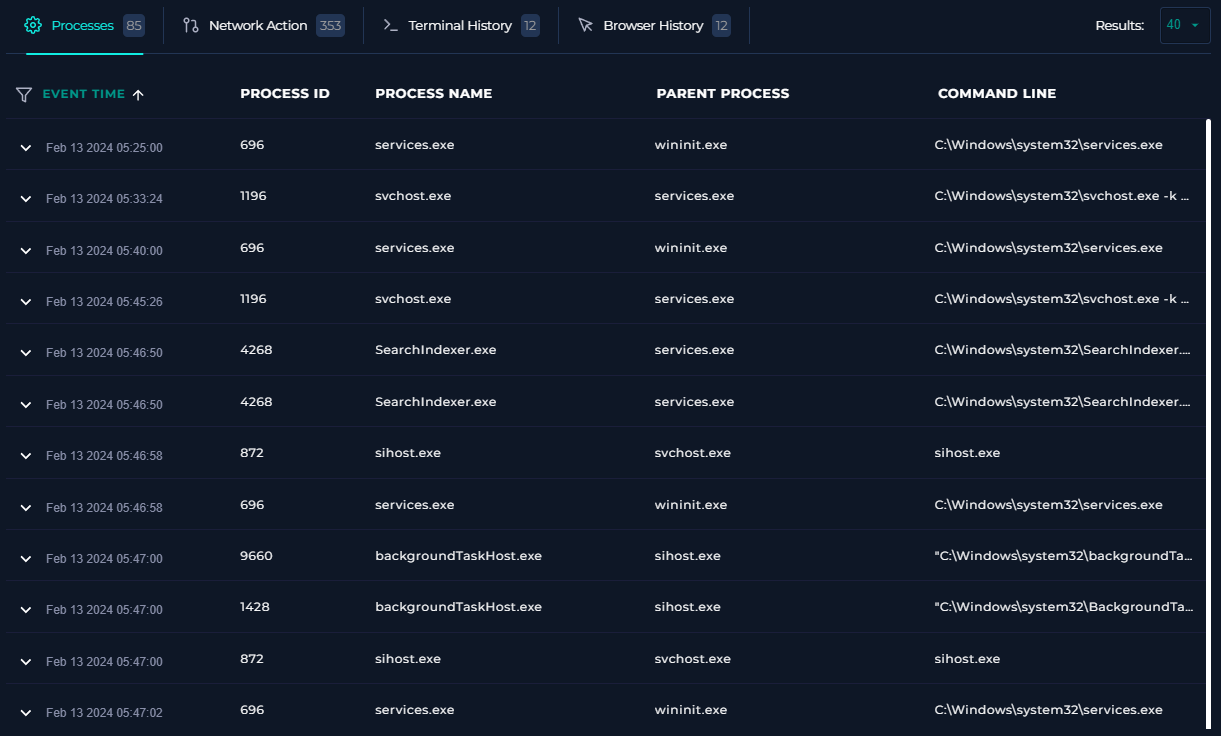
-
Network Action: The list of IPs is overwhelming and may delay the investigation. However, the earliest event does not match the alert date, as the records are from
02-13-2024 05:20:29 [UTC], so this tab could be ignored in favor of a better IP lookup approach.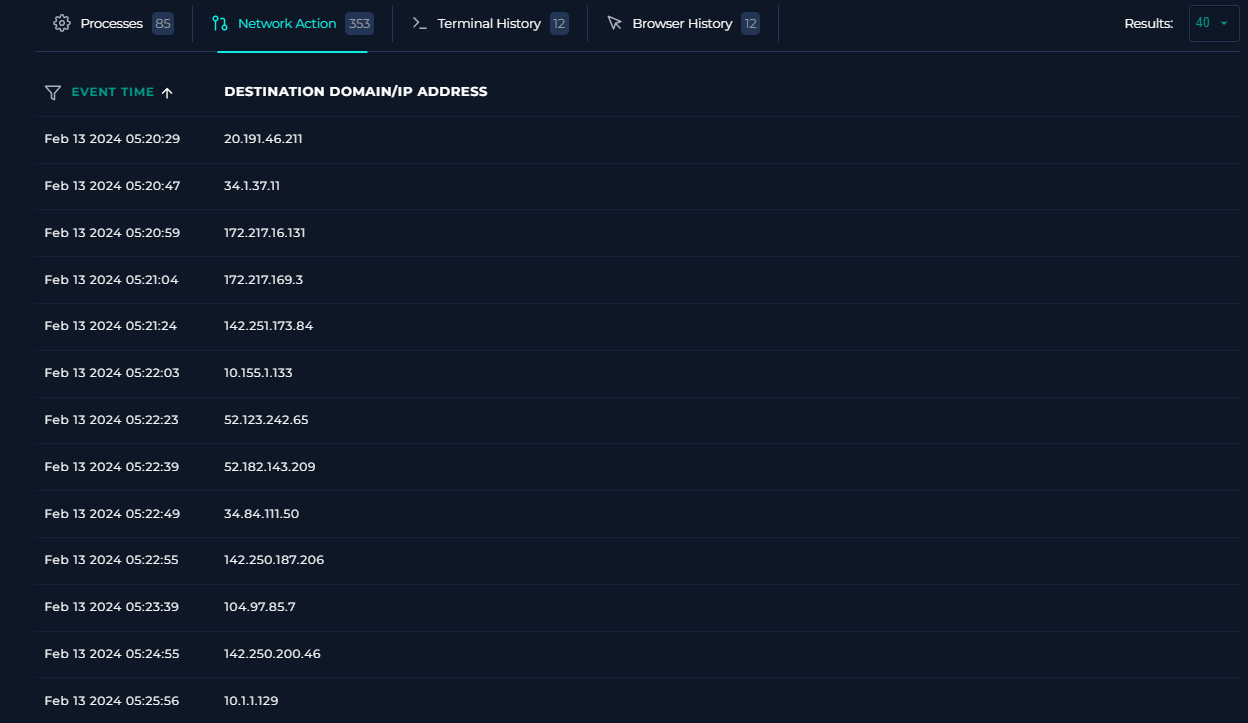
-
Terminal History: The observed command-lines look suspicious, as they seem to be related to multiple techniques including
T1082 (System Information Discovery),T1016 (System Network Configuration Discovery)andT1087 (Account Discovery)Although, the timestamps are in a scheduled way, meaning that every 15 minutes a command-line is executed, this behavior is inconclusive. In some cases, these scheduled tasks may come from a legitimate administrative setup, or in the worst case scenario, there is an automated malware activity.
In addition, the commands started their execution on
02-13-2024 08:00:00 [UTC], approximately 6 hours later from the alert timestamp.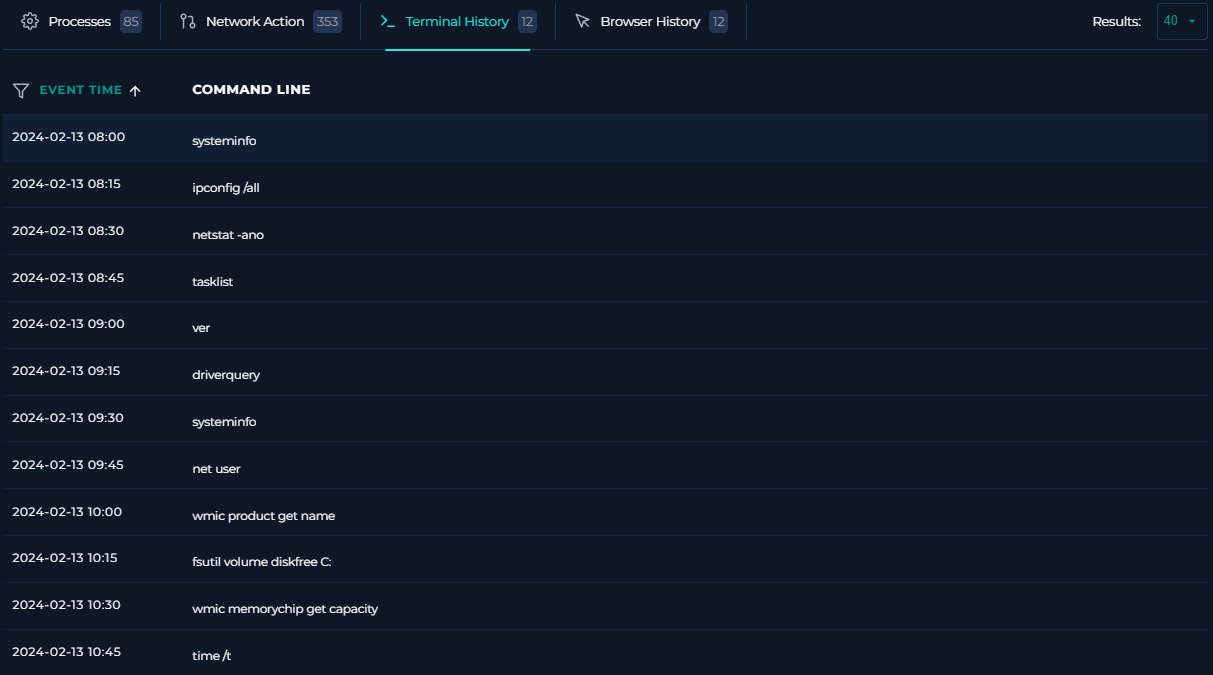
-
Browser History: The visited URLs are benign and do not represent an anomalous behavior. However, if the user credentials were compromised, the source cannot be determined, as the user’s browser history database does not retain incognito session activity, which could have been used for accessing a phishing website.
One thing to note is the first timestamp on
02-13-2024 07:45:12 [UTC], which in a normal business environment coincides with the start of working hours. This leads to a scenario where the previous telemetry could correspond to expected automated system actions, for example in a Cloud PC, where the user could be disconnected, but the machine is still up and running.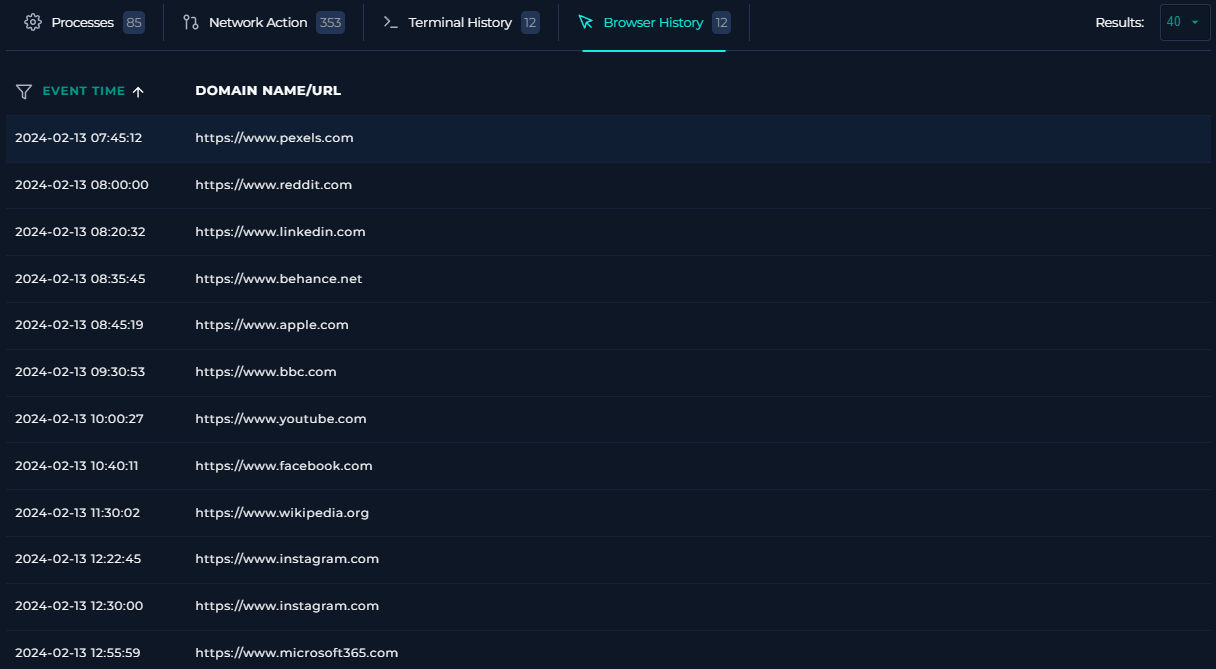
Going forward in the playbook, it suggests to verify the provided insights by Tier 1. But, there are not notes, so a deeper analysis should be carried on to give a verdict.
The source IP 113[.]161[.]158[.]12 reputation can be retrieved in the Let’s Defend Threat Intelligence feed:
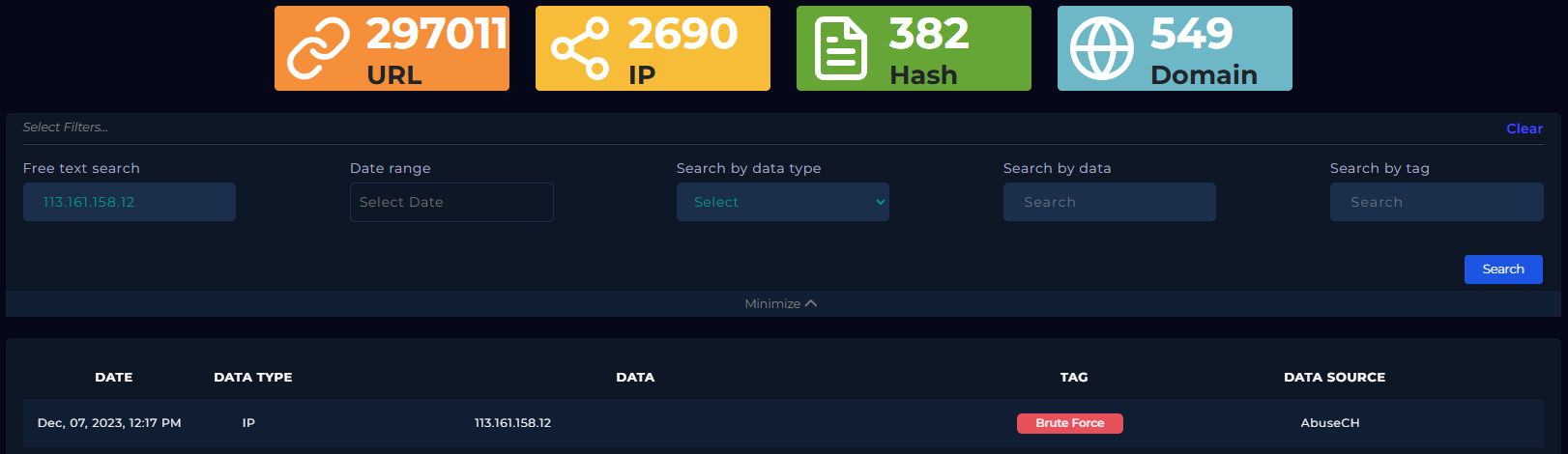
As shown in the results, the IP is flagged as Brute Force from the AbuseCH data source, a platform that tracks cyber threat signals.
Also, in VirusTotal the IP is reported as Malicious and Phishing by 9/94 data sources.
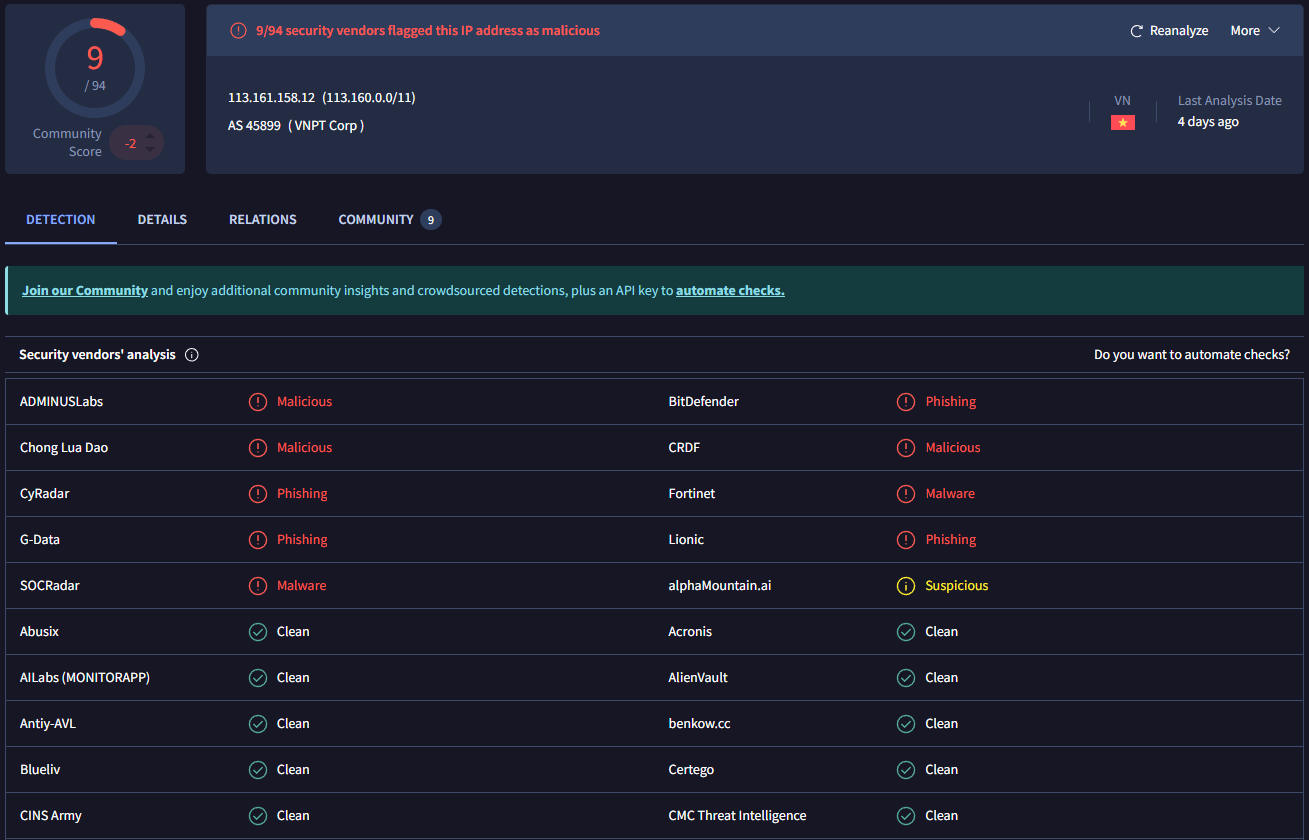
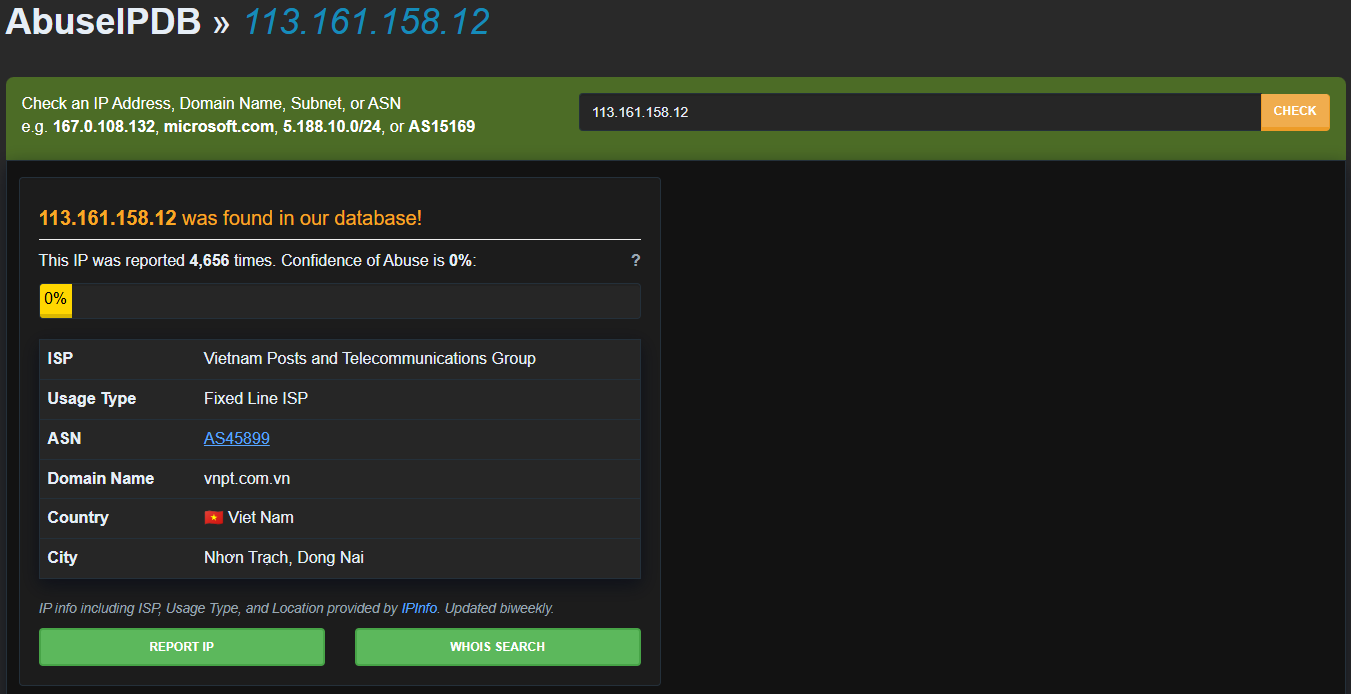
When looking in AbuseIPDB the IP was reported 4,656 times and it belongs to the Fixed Line ISP Vietnam Posts and Telecommunications Group
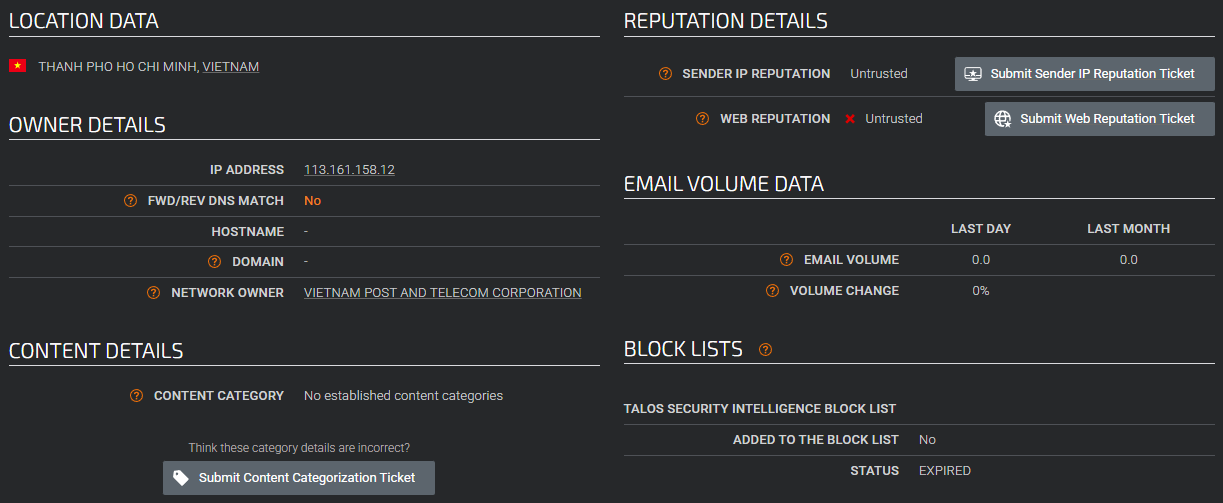
In Talos Intelligence, the web reputation is Unstrusted and the status of the block lists is EXPIRED, which means that in the past the IP was flagged as malicious, but currently it is not.
This aligns with the recent Confidence of Abuse score of 0% from AbuseIPDB, as the massive reports happened in a time were the IP was performing malicious actions.
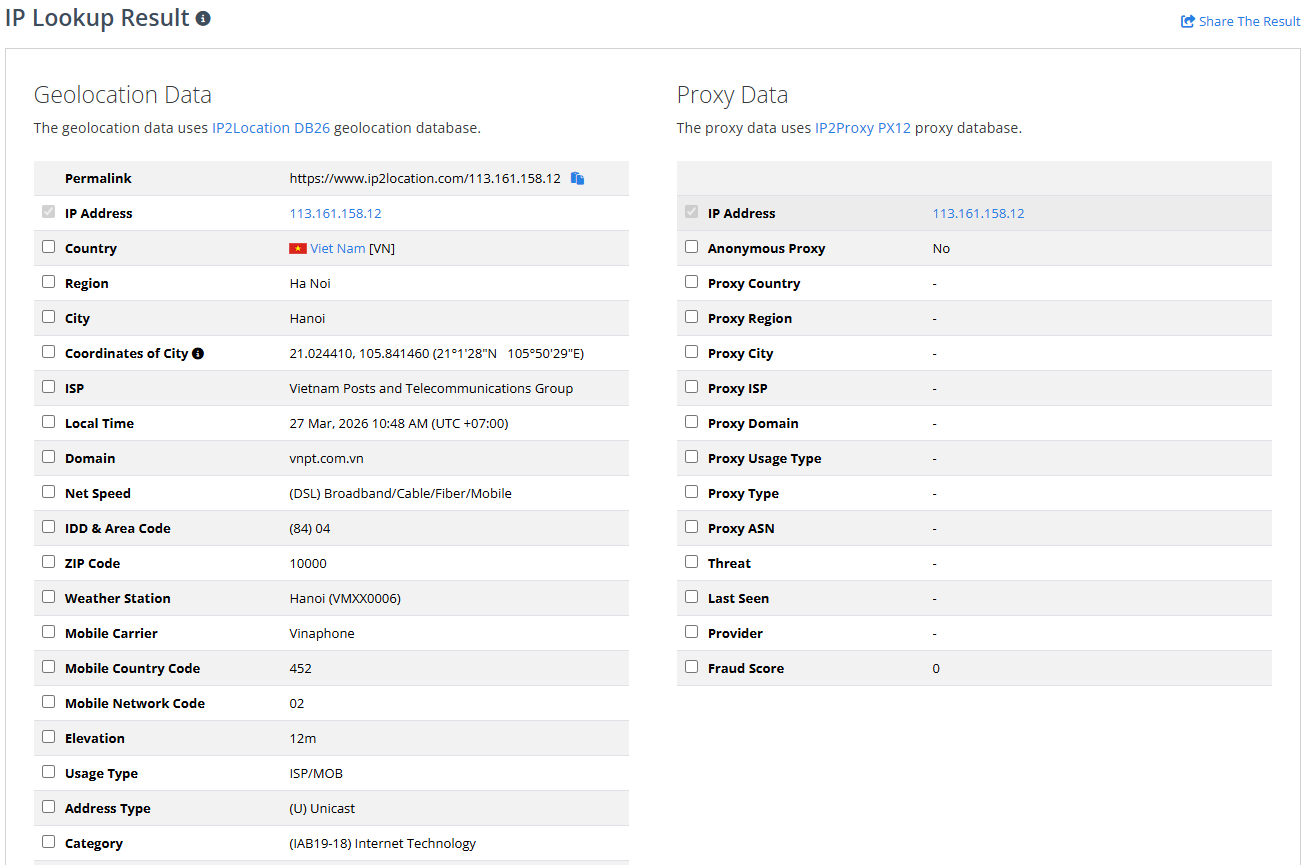
In IP2Location the Proxy Data suggests that the IP is not an Anonymous Proxy, which means that currently the IP is not a VPN
Finally, the location is Hanoi, Vietnam, then a question arises: Is Monica actually trying to access her account from Vietnam?
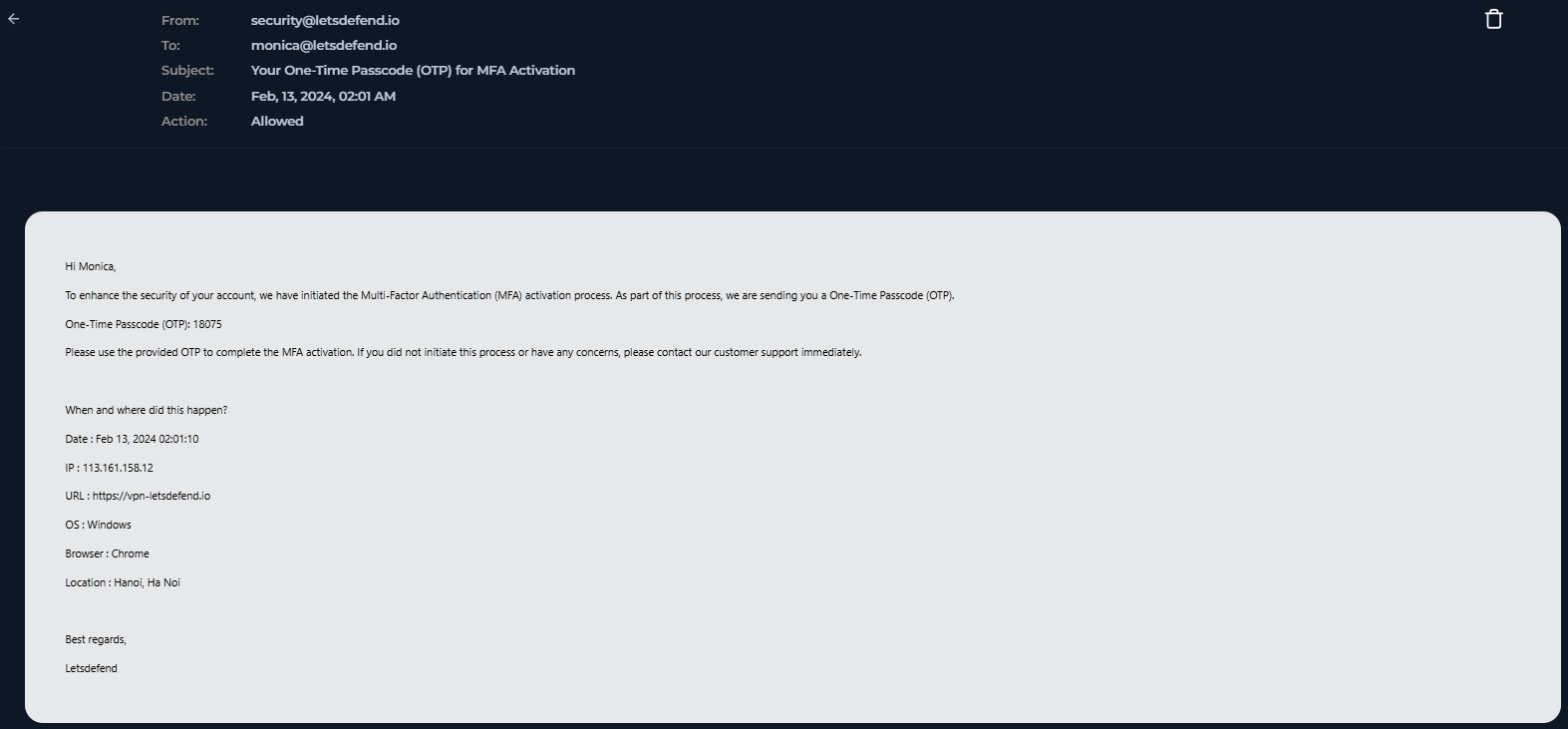
To answer that doubt, Monica could have requested to HR an exception for working abroad. In the Email Security section, there are 3 emails sent by security@letsdefend[.]io to monica@letsdefend[.]io regarding One-Time Password (OTP) for completing the Multi-Factor Authentication (MFA) activation process.
These emails were delivered on 02-13-2024, between 02:01:00 [UTC] and 02:03:00 [UTC]

The emails’ content describes the origin of the activity including the source IP, OS, Browser, Location and the Targeted URL. Also, the email states that if Monica did not request to start the MFA activation process, she should contact the customer support immediately.
There is not any email related to Monica working abroad or that may explain the detected behavior. Then, the source IP 113[.]161[.]158[.]12 could be searched through various records in the Log Management section as follow:
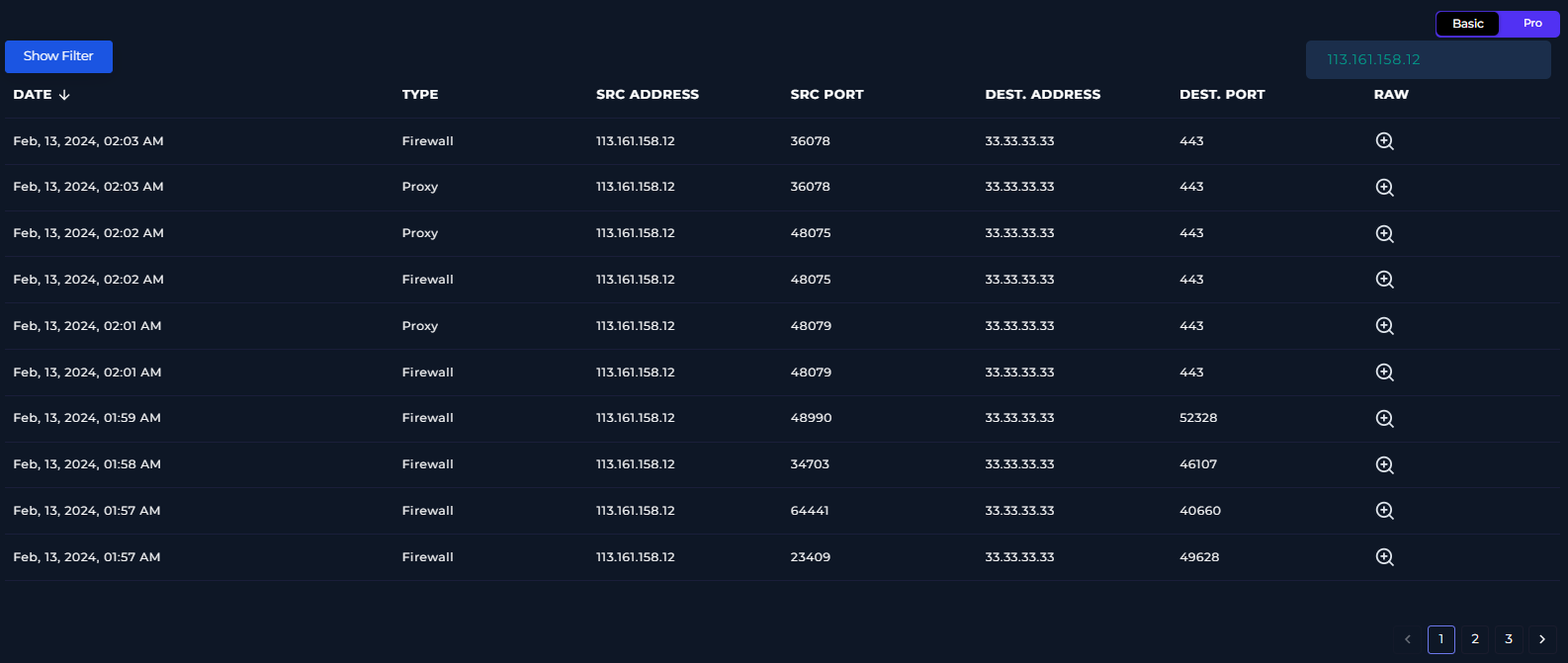
On 02-13-2024, between 01:49:00 [UTC] and 01:59:00 [UTC] there were multiple Firewall events from IP 113[.]161[.]158[.]12 targeting the address 33[.]33[.]33[.]33 over different ports.
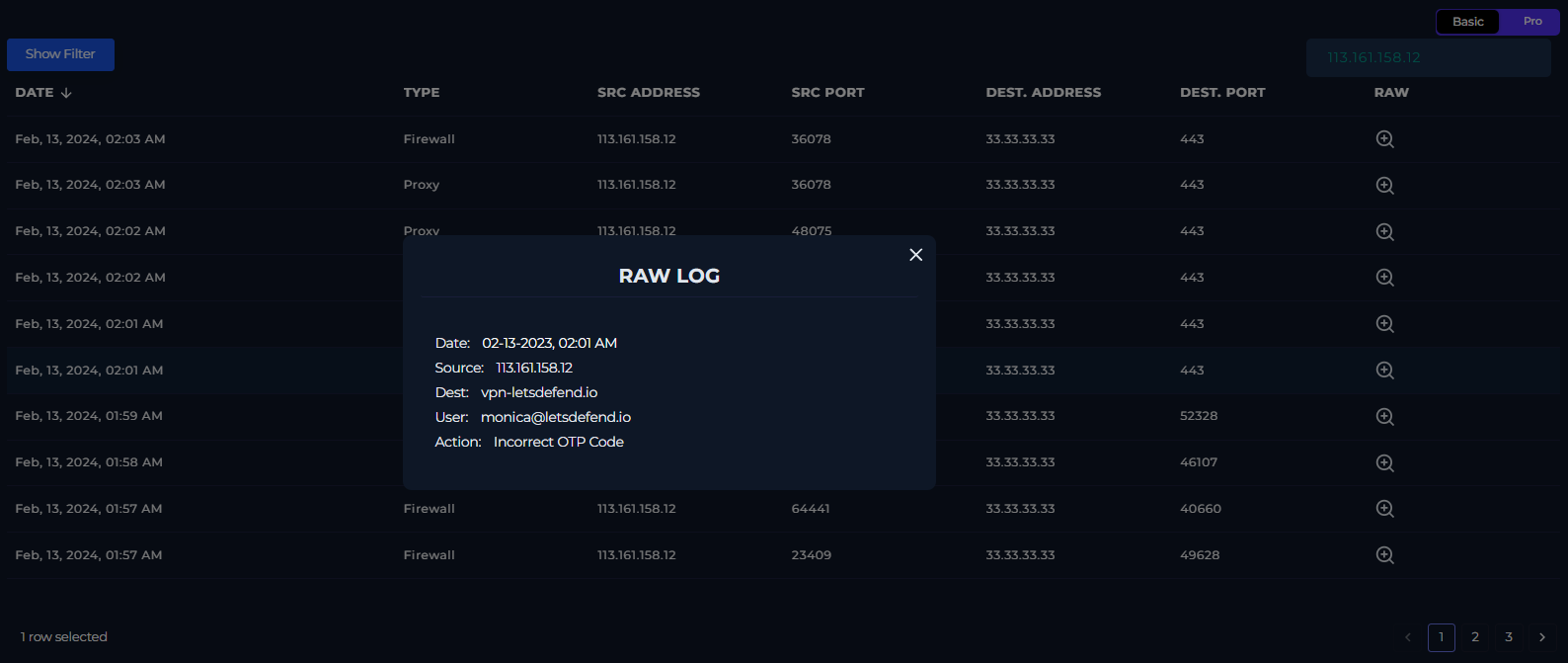
However, at 02:01:00 [UTC], the first OTP validation happened resulting in a FAILED state.
At 02:01:01 [UTC], there was a Proxy record referring to a POST request from the account Monica@letsdefend[.]io into the VPN URL hxxps[:]//vpn-letsdefend[.]io/logon[.]html, via the Protocol HTTP/1.0, returning a 200 status.
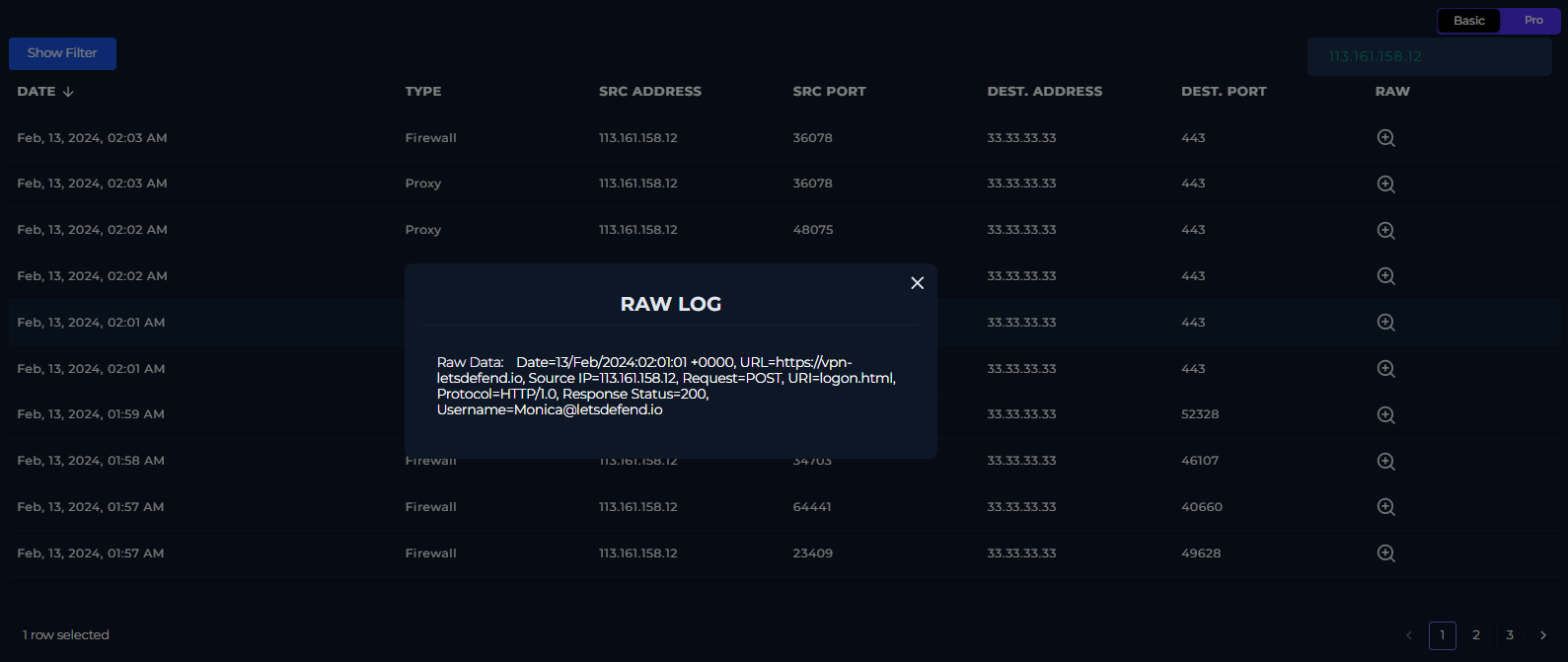
This is a login activity, which request was processed by the server (status 200), however it does not mean that the login attempt was successful.
There are 4 more logs with the same behavior about the Incorrect OTP Code message and the processed login attempts. Although, there is not any successful logon even if searching for monica as follow:
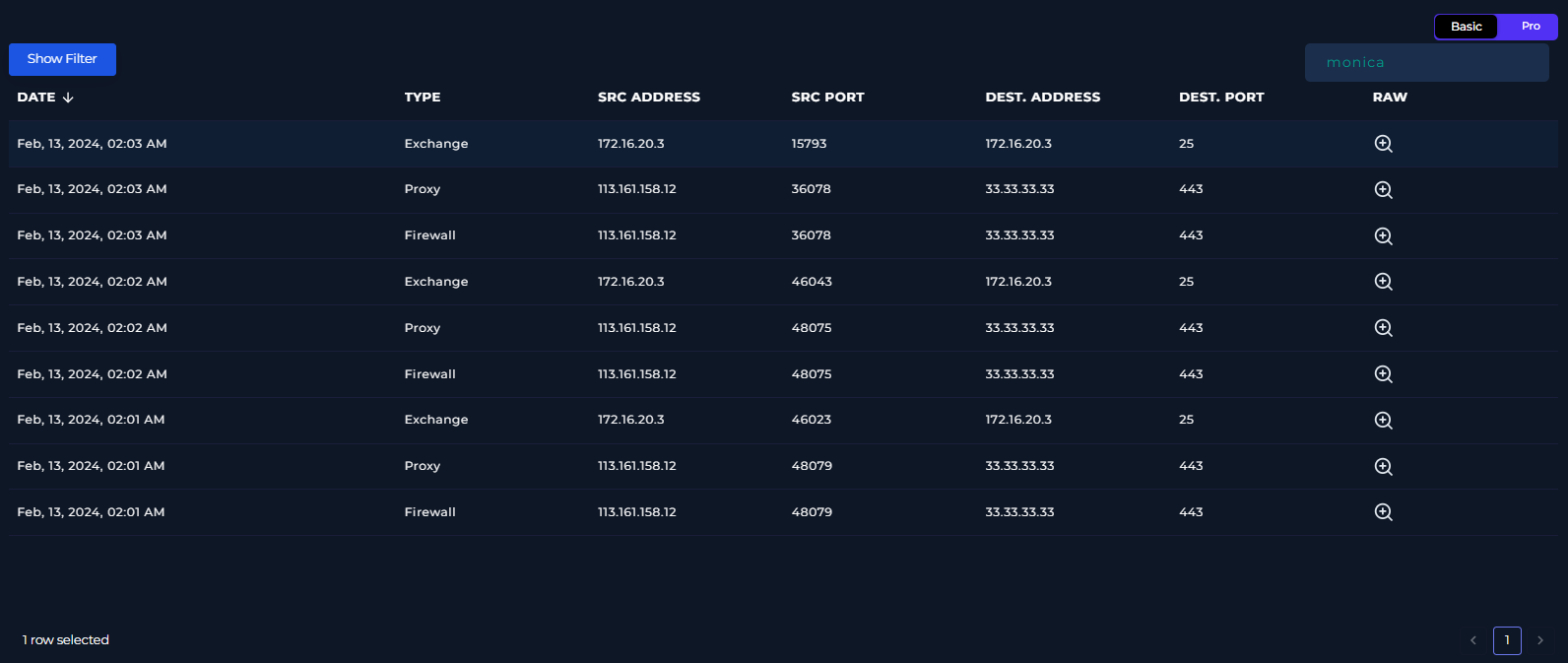
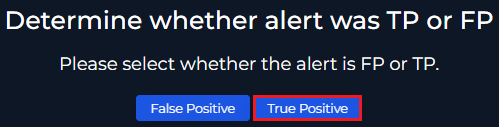
After reviewing all the indicators, we may proceed with the alert verdict, which is likely a True Positive, due to the source IP reputation and geolocation, as well as the repeated failed OTP code validations during non-business hours.
Containment, Eradication & Recovery
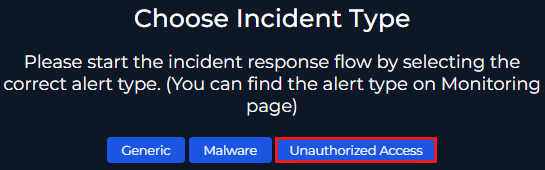
Now, the playbook asks for the Incident Type, which is Unauthorized Access
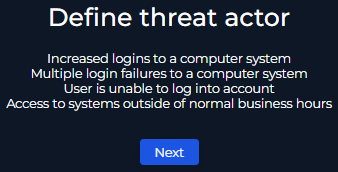
Later on, the threat actor is being requested to be defined. In this case, the behavior relates to Multiple login failures to a computer system and Access to systems outside of normal business hours
The identified source IP is 113[.]161[.]158[.]12
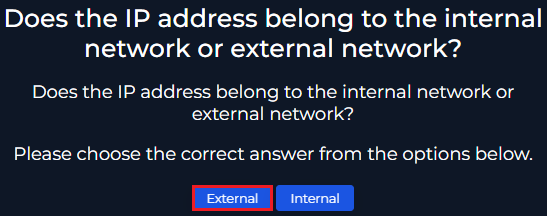
The IP belongs to the External Network
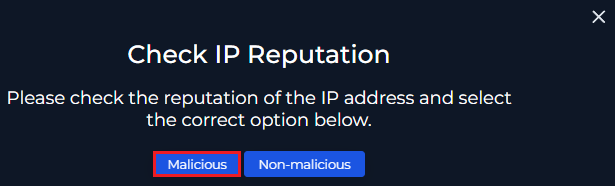
Based on multiple open threat intelligence sources, the IP reputation is Malicious
Among the possible impacted systems there are the Monica’s workstation, which was not found affected, as well as the VPN application where the attacker attempted the logins, that were not successful.
Although, if the VPN service sent automated emails to Monica regarding OTP codes for starting the MFA activation, it is likely that her first authentication method (password) was compromised
There were multiple destination ports for the targeted IP 33[.]33[.]33[.]33. The most relevant is 443, the default TCP port for HTTPS, where all login attempts took place with no success.
Furthermore, there was not any impact on critical systems
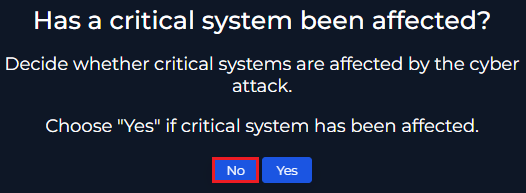
Additionally, no sensitive data is at risk
Note: Sensitive data is any data that could cause damage if exposed. As there was no intrusion, the potential sensitive data exfiltration risk was mitigated.
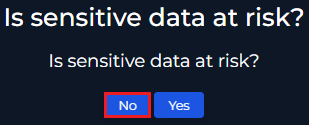
On the other hand, the device did not require to be isolated, as the threat actor could not get access to Monica’s account for further infiltration.
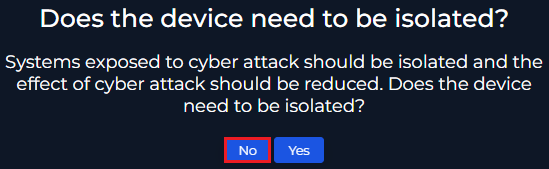
Now, among all the found evidence, the relevant indicators reside in the network layer and are registered in the SIEM, hence the records in the Log Management section should be enough for supporting the investigation.
If there is any Event ID that is not ingested into the SIEM, the .evtx files could be retrieved from a Live Response Session for further analysis.
Also, the Investigation Package from a device could help to check any other suspicious autoruns, processes, scheduled tasks, etc.
Please see more at: https://learn.microsoft.com/en-us/defender-endpoint/respond-machine-alerts
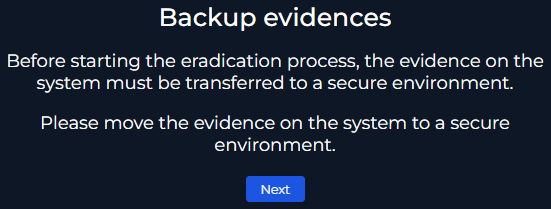
The eradication depends on the infrastructure capabilities. In this case, the platform is limited to device containment, which does not fit with the verdict.
However, Monica's password should be reset and her sessions revoked, as it seems that the threat actor gained access to the first authentication method.
Subsequently, Monica and her manager should be informed about the incident along with clear instructions for recovering access to the account
In addition, the source IP 113[.]161[.]158[.]12 should be blocked at the Firewall level, to prevent any other dictionary or password spray attacks.
Note: This step really depends on the organization’s Standard Operating Procedures (SOPs).
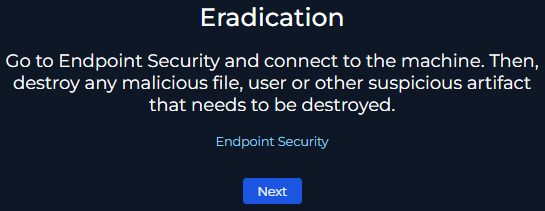
Finally, the recovery phase could consist on the support given to Monica for recovering her account, along with continuous monitoring of the Firewall events, in case new suspicious IPs target the VPN application.
Post-Incident Activity
Everytime a security event occurs, whether is a True Positive or False Positive, it should be documented for future reference
Therefore, the following questions will be answered briefly:
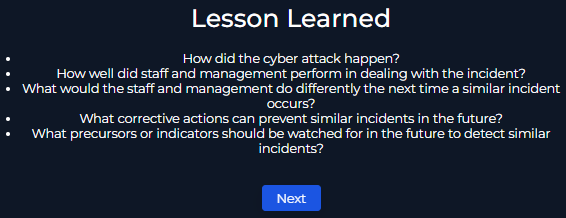
-
How did the cyber attack happen? The cyber attack originated from a threat actor with source IP
113[.]161[.]158[.]12, located inVietnam, attempting to authenticate in the VPN application asmonica@letsdefend[.]io, resulting in the generation of 3 OTP codes for MFA activation. The attempts failed and it is likely that Monica’s first authentication method was compromised. -
How well did staff and management perform in dealing with the incident? The staff and management proceeded based on the
NIST 800-61 Incident Response Frameworkto correctly address the issue, based on the evidence that was available. However, the lack ofSOPsmay delay upcoming investigations, as the incident scope could not be defined or may rely on other teams’ coordination. -
What should the staff and management do differently the next time a similar incident occurs? The staff and management could setup the mentioned
SOPs, which would improve analysts’ decisions. Also, theplaybookcould be reviewed in terms of adding theIndicators Of Compromise (IOCs)in earlier stages, to mitigate impact across other assets while the investigation proceeds. -
What corrective actions can prevent similar incidents in the future? The IT department could setup
Conditional Access Policiesto block any authentication attempt outside business hours or unauthorized countries, as the threat actor could have tricked Monica in providing the OTP code. Followed byUser Awareness Programsto ensure users stay tuned with the most common threats. -
What precursors or indicators should be watched for in the future to detect similar incidents? As stated in the
Pyramid of Pain, the best approach is to understand theTactics, Techniques and Procedures (TTPs)that threat actors may utilize. For example, in Campaign C0032, TEMP.Veles used compromised VPN accounts during a chain of different techniques to infiltrate IT environments.
Also, other questions arise such as how to ensure that the observed suspicious command-lines are benign and how to fix the Endpoint Detection and Response (EDR) Agent to enable Live Response capabilities, which answers depend on the organization's practices... unless things are handled on the fly
Following the playbook, the only artifact to add is the malicious IP 113[.]161[.]158[.]12 like:
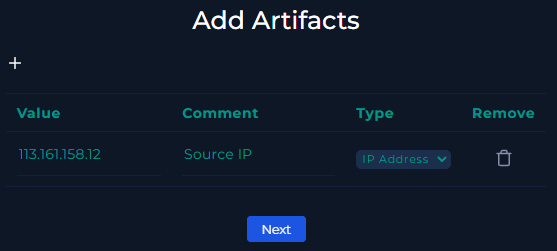
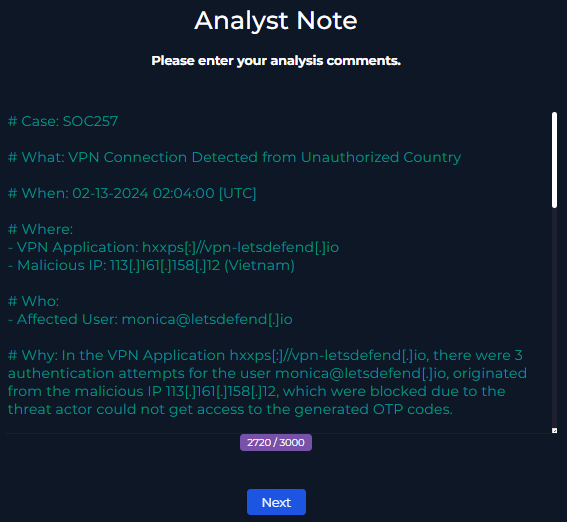
The Analyst Note is filled based on the Ticket Summary section, where resides a template that could be used in real SOC environments.
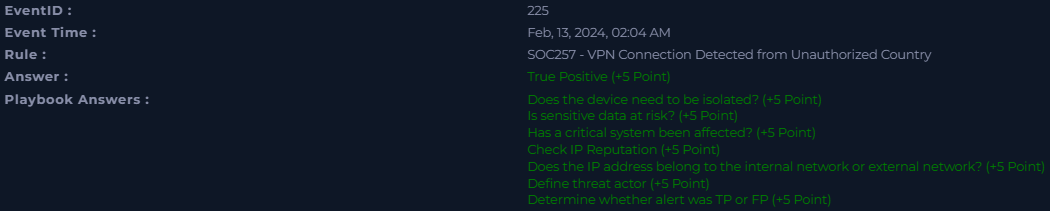
Finally, the incident handling results are as follow:
Ticket Summary
Case: SOC257
What: VPN Connection Detected from Unauthorized Country
When: 02-13-2024 02:04:00 [UTC]
Where:
- VPN Application: hxxps[:]//vpn-letsdefend[.]io
- Malicious IP: 113[.]161[.]158[.]12 (Vietnam)
Who:
- Affected User: monica@letsdefend[.]io
Why: In the VPN Application hxxps[:]//vpn-letsdefend[.]io, there were 3 authentication attempts for the user monica@letsdefend[.]io, originated from the malicious IP 113[.]161[.]158[.]12, which were blocked due to the threat actor could not get access to the generated OTP codes.
Additional Notes:
- The IP 113[.]161[.]158[.]12 routes to Vietnam, belongs to the Fixed Line ISP “Vietnam Posts and Telecommunications Group” and is flagged by open threat intelligence sources as malicious.
- The malicious IP activity originated on 02-13-2024, between 01:49:00 [UTC] and 01:59:00 [UTC], satisfying the first authentication method since 02:01:00 [UTC].
- Once the first authentication method passed, the VPN Application automatically sent an email to Monica regarding an OTP code for starting the MFA activation process.
- There is no evidence of successful logins, as the threat actor could not retrieve the OTP codes.
- Monica did not request to the organization about working abroad.
- In Monica’s workstation there were suspicious command-line executions related to techniques T1082 (System Information Discovery), T1016 (System Network Configuration Discovery) and T1087 (Account Discovery), which triggered every 15 minutes. The first event happened on 02-13-2024 08:00:00 [UTC] and there is not a clear confirmation of a system compromise.
- The other Monica’s workstation telemetry looks benign under regular business hours.
Actions taken:
- The malicious IP 113[.]161[.]158[.]12 was added as an IOC to block its execution. Also, it is being requested to be blocked at the Firewall level in TICKET01.
- As the threat actor could trigger the generation of the OTP codes, it is likely that Monica’s first authentication method was compromised, hence her password was reset and sessions revoked, as well as informed her and corresponding manager for awareness.
- A new TICKET02 was created to investigate the suspicious command-line executions and determine whether the activity is expected or indicative of malicious behavior.
Verdict: True Positive, as the malicious VPN login attempts satisfied the first authentication method but failed the OTP code verification. The source IP was added as an IOC and requested to be blocked at the Firewall layer in TICKET01. Monica’s password was reset and sessions revoked. Please see TICKET02 for further investigation regarding the suspicious commands in the device with IP 172[.]16[.]17[.]163.